
Introduction
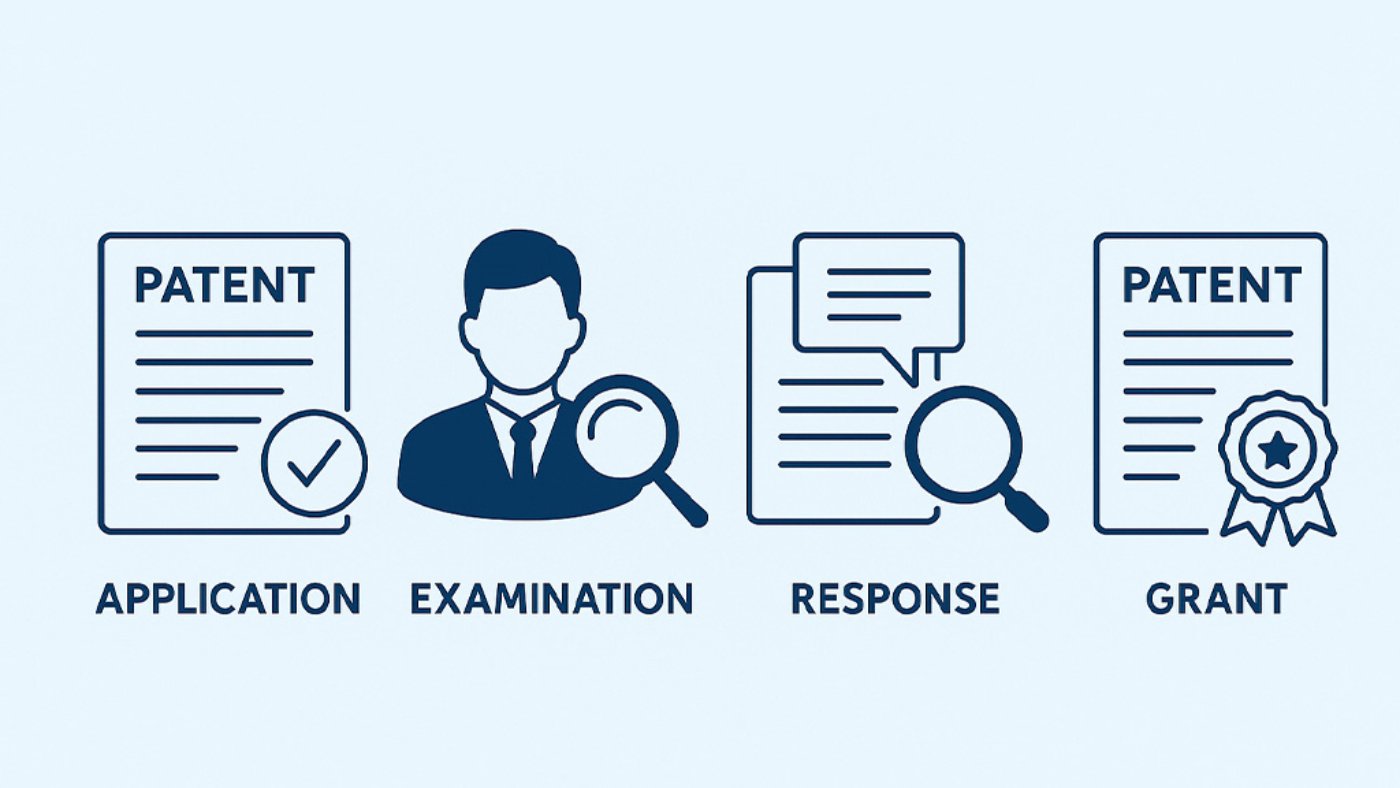
Obtaining patent protection in Canada involves more than filing an application. After a patent application is submitted, it must go through an examination process conducted by the Canadian Intellectual Property Office (CIPO) to determine whether it meets the requirements for patentability.
Understanding the patent examination process in Canada helps inventors and businesses prepare for each stage, respond effectively to examiner feedback, and make informed decisions throughout the patent application journey.
What Is Patent Examination in Canada?
Patent examination is the process where a patent examiner at the Canadian Intellectual Property Office (CIPO) reviews a patent application to determine whether it satisfies the requirements of the Canadian Patent Act and Patent Rules.
During examination, the examiner evaluates factors such as:
- Whether the invention is new (novelty)
- Whether it involves an inventive step
- Whether it has practical utility
- Whether the claims clearly define the scope of protection
- Whether the application meets formal requirements
The examination process may involve communication between the applicant and the examiner until the application is either allowed, refused, or abandoned. Applicants often benefit from professional guidance throughout the patent application process to address technical and legal requirements effectively.
Step-by-Step Patent Examination Process in Canada
1. Filing a Patent Application
The process begins when an applicant files a patent application with CIPO.
A complete patent application generally includes:
Before filing, many inventors begin with a professional patent search to evaluate existing technology and better understand the competitive landscape.
- Description of the invention
- Patent claims defining the protection sought
- Drawings (where applicable)
- Abstract
- Required filing documents and fees
A properly prepared application can help reduce delays and improve the efficiency of the examination process.
2. Requesting Examination
In Canada, a patent application is not automatically examined immediately after filing.
The applicant must submit a request for examination and pay the required examination fee within the applicable deadline.
Once examination is requested, the application is placed in the examination queue.
Understanding the requirements for Canadian applications is an important part of developing an effective filing strategy. Learn more about our Canadian patent services.
3. Examination by a CIPO Patent Examiner
A patent examiner reviews the application and evaluates whether the invention meets Canadian patentability requirements.
The examiner may:
- Review the claims
- Search relevant prior art
- Analyze whether the invention is new and inventive
- Identify issues that need clarification or amendment
A carefully prepared application can help improve communication with the examiner and protect the intended scope of the invention. UIPatent provides patent services in Toronto for inventors, startups, and businesses.
The examiner’s review is focused on determining whether the application should proceed toward allowance.
4. Office Actions and Applicant Responses
If the examiner identifies concerns, CIPO may issue an examination report (commonly referred to as an office action).
The applicant may need to:
- Provide arguments explaining why the claims are patentable
- Amend claims or other parts of the application
- Address formal or technical objections
A clear and strategic response can help move the application forward.
Responding to examination reports requires careful review of claim scope, technical arguments, and patent strategy. Our patent lawyer services help clients navigate complex intellectual property matters.
5. Allowance or Further Examination
If the examiner determines that the application meets the requirements for patentability, CIPO issues a notice of allowance.
Before a patent is granted, the applicant must complete the remaining requirements, including payment of applicable fees.
If issues remain unresolved, additional examination reports may be issued.
6. Patent Grant and Maintenance
After all requirements are satisfied, the patent is granted by CIPO.
Once granted, the patent owner must pay maintenance fees to keep the patent rights in force.
Maintaining a patent requires ongoing attention to deadlines and payment obligations throughout the patent term.
How Long Does Patent Examination Take in Canada?
The timeline for patent examination in Canada varies depending on factors such as:
- The complexity of the invention
- The technology area
- Examiner workload
- Number of examination reports issued
- The applicant’s response strategy
Some applications may proceed more quickly, while others may require several rounds of communication before reaching allowance.
What Happens During a CIPO Patent Examination?
During examination, the patent examiner reviews the application and may:
- Search existing patents and technical literature
- Evaluate the invention against patentability requirements
- Review claim scope
- Identify objections or required amendments
- Communicate examination results to the applicant
Applicants have opportunities to respond and work with the examiner to address outstanding issues.
Common Reasons for Patent Examination Delays
Patent examination may take longer due to:
- Broad or unclear claim language
- Complex technical subject matter
- Multiple examination reports
- Delayed applicant responses
- Need for claim amendments
Preparing a clear patent application from the beginning can help reduce unnecessary delays.
How Can a Patent Lawyer Help During Examination?
A patent professional can assist throughout the examination process by:
- Reviewing examiner communications
- Preparing responses to examination reports
- Developing claim amendment strategies
- Communicating technical and legal arguments effectively
- Helping protect the intended scope of the invention
Professional guidance can help applicants navigate complex examination issues and make informed decisions. Learn how UIPatent supports inventors through patent protection services.
Frequently Asked Questions About Patent Examination in Canada
The patent examination process in Canada is the review procedure conducted by the Canadian Intellectual Property Office (CIPO) to determine whether a patent application meets the requirements for patent protection. During examination, a patent examiner reviews the claims, searches relevant prior art, and evaluates whether the invention satisfies Canadian patentability requirements, including novelty, utility, and inventive step.
The time required for patent examination in Canada varies depending on factors such as the complexity of the invention, the technology area, examiner workload, and the number of examination reports issued. Some applications may proceed faster, while others may require multiple rounds of communication with CIPO before reaching allowance.
A Canadian patent application is not automatically examined immediately after filing. The applicant must submit a request for examination and pay the required examination fee within the applicable timeframe. After the request is made, the application enters the examination queue at CIPO.
If a patent examiner identifies issues with an application, CIPO may issue an examination report outlining objections or required changes. The applicant can respond by providing arguments, amending claims, or addressing the examiner’s concerns. A well-prepared response can help move the application toward allowance.
Yes. A patent application may face objections during examination if the examiner determines that certain requirements have not been met. However, applicants generally have opportunities to respond to examination reports, amend claims, and address outstanding issues before a final decision is made.
While applicants may handle certain patent matters themselves, professional support can be valuable during examination, especially when responding to examiner objections, preparing claim amendments, and developing strategies to protect the scope of an invention. A patent professional can help navigate the technical and legal aspects of the process.
Conclusion
The patent examination process in Canada is a critical stage in obtaining patent protection. Understanding how CIPO reviews applications, responds to examiner concerns, and evaluates patentability requirements helps inventors and businesses better prepare for the journey from filing to patent grant.
UIPatent assists inventors, startups, and businesses with patent preparation, examination responses, and patent strategy throughout the Canadian patent process.
Contact UIPatent today to discuss your patent filing strategy.
Add a Comment